
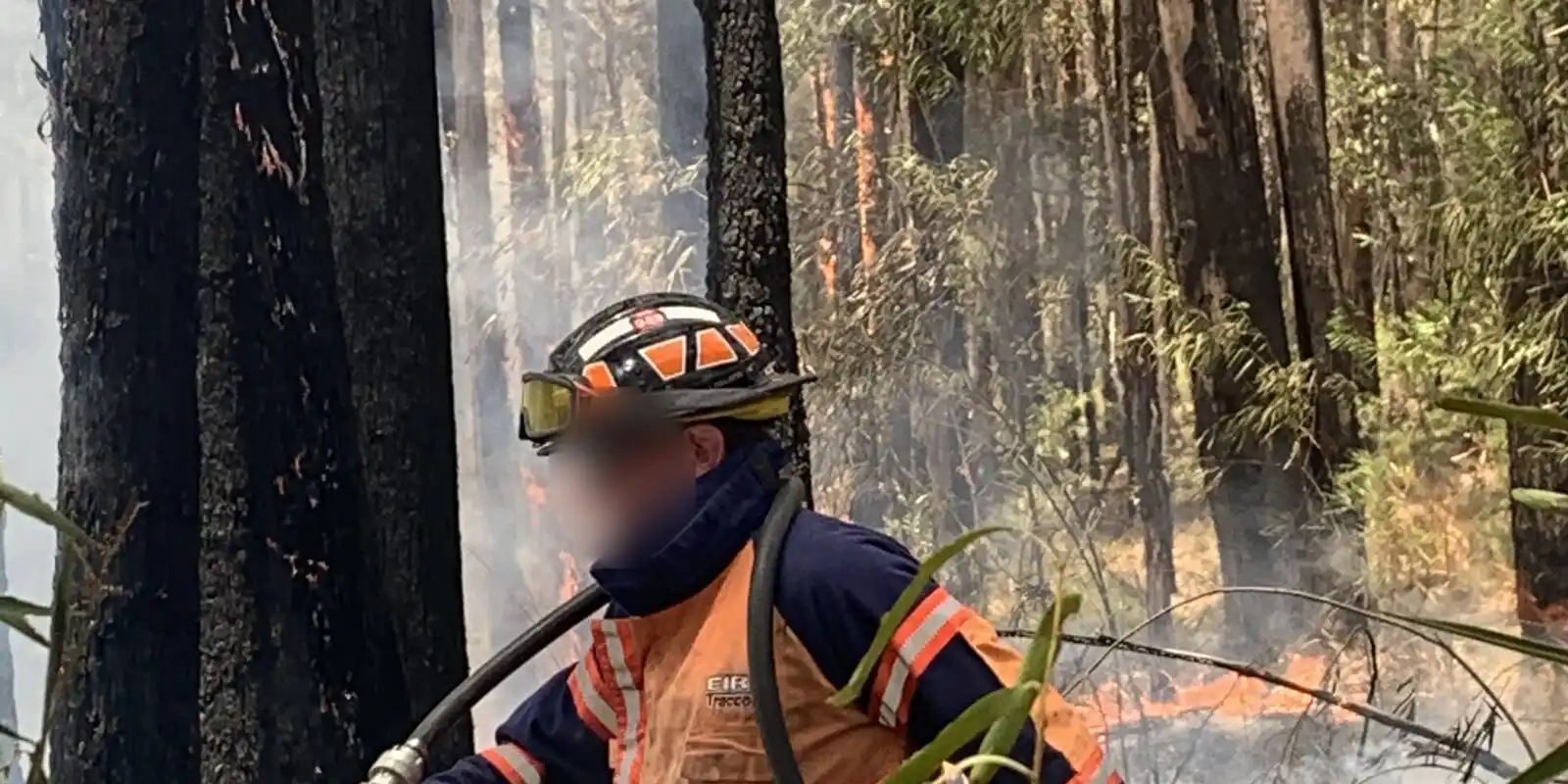
Wildfire Training
Practical Australian wildfire training for national and international participants
Programs combine classroom learning, equipment familiarisation, field training, practical exercises, scenarios, assessment and facilitated debriefs. They run from two-day practical intensives through to residential programs exceeding two weeks.
Example training areas
Wildfire fundamentals
- Wildfire Awareness & Management
- Wildfire Fuels
- Wildfire Behaviour
- Crew Safety & LACES
Wildfire operations
- Wildfire Suppression — see the crew-level programs mapped to the national units Respond to Wildfire (PUAFIR204) and Suppress Wildfire (PUAFIR303)
- Pump & Drafting Operations
- Communications
- Mapping & Situational Awareness
Vehicles and plant
- 4WD Operations
- Vehicle Response & Recovery
- 4WD Tanker Operations
- Striker Operations
- Tractor & Slasher Operations
- POSI Operations
Technology and specialist capability
- Drone Management & Operations
- Aviation Awareness
- Thermal Imaging
- Operational Technology
Inside the crew safety induction
Before anyone steps onto a fireground, they complete a Bushfire Safety & Survival induction. It is a short, narrated module delivered on EMLearn with a knowledge check at the end, and it sets the minimum standard every crew member is held to. It covers seven areas:
- Duty of care. Under work health and safety law, everyone on the fireground shares a duty of care to themselves and the people around them, across people, materials, equipment, work practices and the working environment.
- Risk management. The four-step cycle of identifying the hazard, assessing the risk, controlling it and reviewing the controls, reduced to three words for the fireground: Aware, Assess, Address.
- Protective clothing. The minimum dress standard for firefighting operations, from Level 1 trousers and tunic through to helmet and respiratory protection.
- Fireground hazards. Smoke, falling limbs, radiant heat and poor visibility, and the habits that reduce each risk, including the four-times-flame-height rule for radiant heat.
- Heat, fatigue and wellbeing. Recognising heat stress and dehydration under protective clothing, the signs of fatigue in yourself and others, and when to seek support after a traumatic event.
- Situational awareness. LACES (Lookouts, Awareness, Communications, Escape routes, Safety zone) and the Dead Man Zone, the ground beside a fire edge that a wind change can burn through in under five minutes.
- Survival and communication. What to do if caught on foot, in a vehicle or under an aircraft drop, and how incidents are run: the Incident Action Plan, sectors, SMEACS briefings, the emergency radio call and the debrief that closes every job.
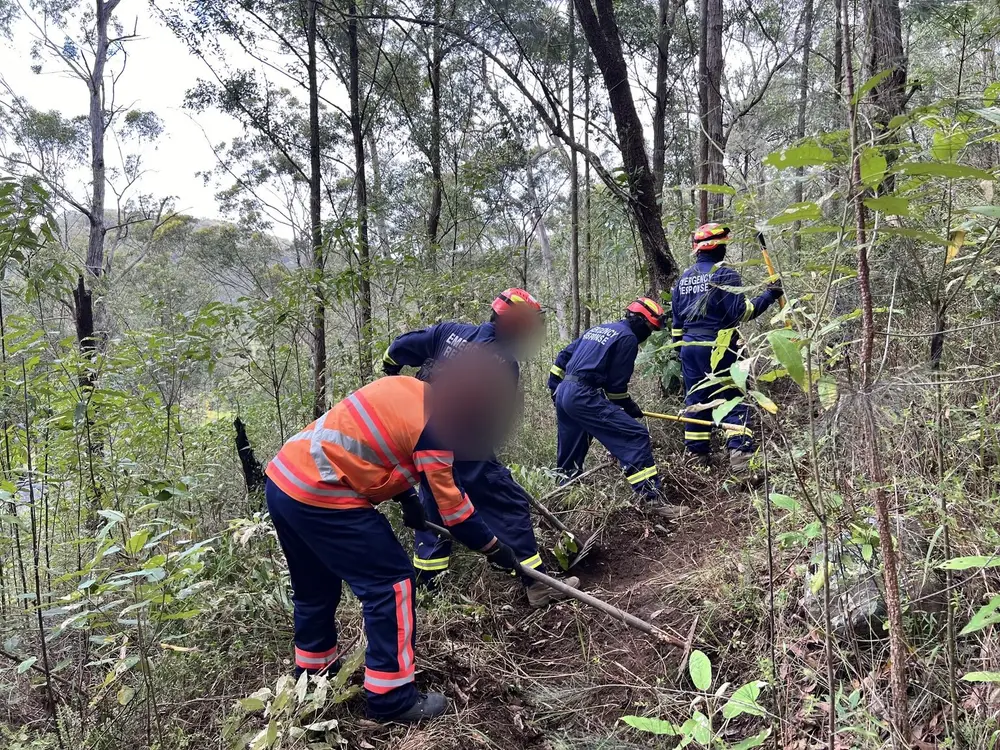
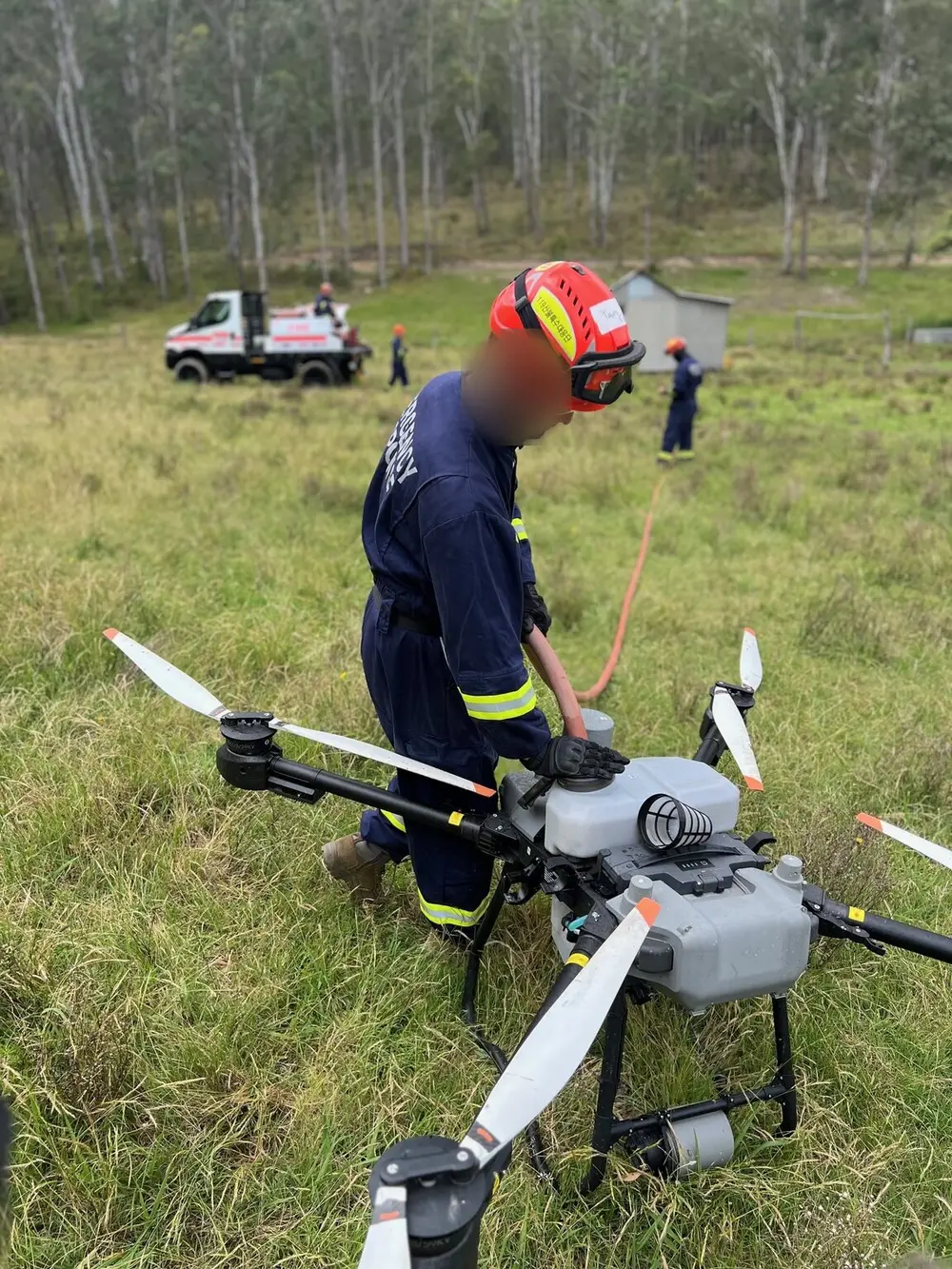
What we provide
- Classroom learning
- Equipment familiarisation
- Field training
- Practical exercises
- Scenarios
- Assessment
- Facilitated debriefs
Where this sits in the lifecycle
The stages this capability covers are highlighted.
-
Assess
The operating environment, activities, hazards, access and response limitations are worked through on site and on paper.
-
Plan
A protection model is developed proportionate to what the assessment found — not to a standard package.
-
Prepare
Personnel, vehicles, plant, equipment, communications and technology are configured to the model.
-
Protect
Capability is deployed and maintained for the duration of the works or the contract.
-
Respond
Crews provide initial fire response, incident management support and emergency communications from the ground.
-
Train — relevant to this page
Programs are run for client Emergency Response Teams and for national and international wildfire participants.
-
Review
Post-action reports and digital incident records close the loop after operations, burns and exercises.
The digital layer
EMLearn
Online training
An online training platform offering over 170 interactive modules covering fire, safety, compliance and professional development.
Go deeper on the partner sites
EMTRAC brings the two capabilities together. Where a partner holds the deeper detail, it is linked here.
Every site is different. Let's build a protection model that fits yours.
Talk to us about an assessment of your operating environment and the capability it calls for.